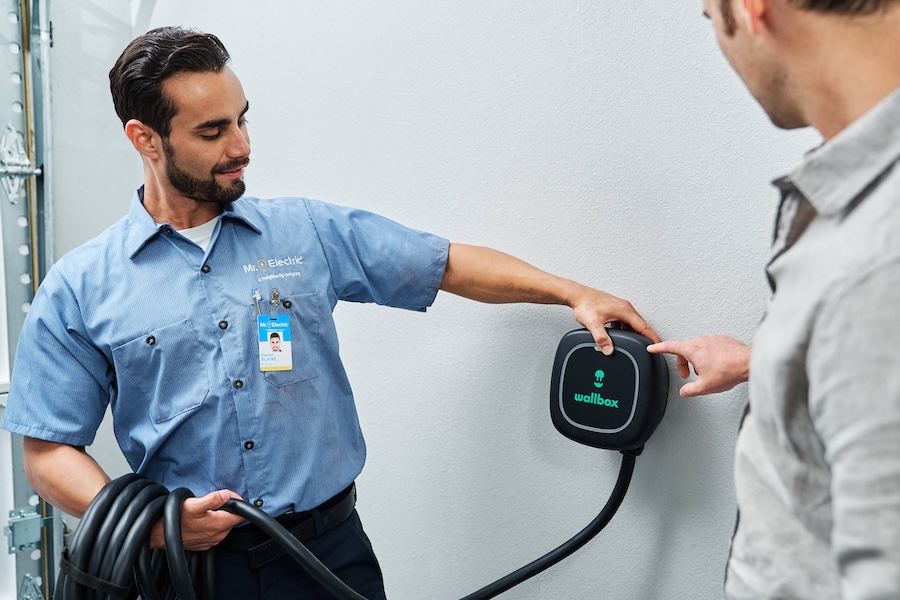
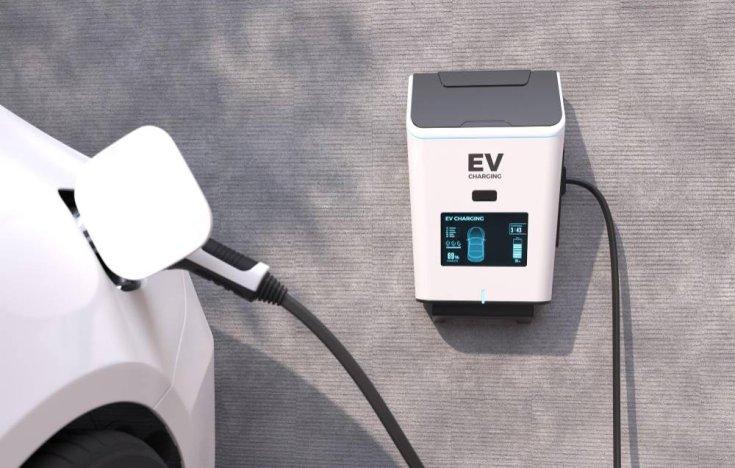
With electric vehicles becoming a common sight on the roads, it’s easy to see why many homeowners are looking to install EV chargers at home. Having a dedicated electric vehicle charger at home offers convenience, saves money and time, and adds value to a property. Installing an EV charger isn’t as simple as plugging in a cord. It’s a complex electrical upgrade that must meet electrical code. This is why it’s advisable to hire a licensed and experienced electrical service to handle the job.
At Mr. Electric, we pride ourselves on installing and maintaining EV chargers. We’ve helped many property owners and businesses get their EV chargers installed right the first time. In this blog, we’ll explain why EV charger installation must meet electrical code.
Electrical Safety Comes First
EV chargers operate at high amperage for extended periods. If wiring, breakers, or connections are improperly sized or installed, the risk of overheating, electrical fires, and equipment failure increases considerably. Electrical codes are designed to minimize these risks by setting clear standards for wire gauge, breaker size, grounding, and load calculations. An electric vehicle charger that meets electrical code can handle continuous power draw without stressing your electrical system.
Preventing Overloaded Electrical Systems
Many homes were not originally designed to support EV charging. A 60-amp electrical panel isn’t sufficient to handle a level 2 or DC fast charger. Load calculations are required before adding a charger to avoid overloading your electrical panel. Electrical codes require electricians in San Jose, CA to evaluate the total electrical demand of your home and determine whether a panel upgrade or dedicated circuit is necessary. This protects your entire electrical system, not just the charger.
Fire Prevention and Heat Management
Improper connections, undersized wiring, or loose terminals can generate excessive heat over time. Electrical codes specify installation methods that reduce heat buildup, such as proper conductor sizing, secure terminations, and approved materials. Meeting code requirements lowers the risk of fire caused by prolonged EV charging sessions.
Compliance with Manufacturer Requirements
Most EV charger manufacturers require installations to meet local and national electrical codes for warranties to remain valid. A non-compliant installation can void your warranty and leave you responsible for repair or replacement costs. Code-compliant installation performs as intended and remains protected under manufacturer guarantees.
Passing Inspections and Avoiding Fines
Hiring a dependable electrical repair service to install your EV charger isn’t just about safety; it’s also about being on the right side of the law. Local building departments require permits and inspections for EV charger installations. Electrical code compliance ensures your installation passes inspection without delays or costly corrections. Non-compliant work can result in fines, forced removal, or denial of future permits—issues that are easily avoided with hiring a trusted electrical repair service for installation.
Protecting Property Value and Insurance Coverage
Electrical work that does not meet code can become a red flag during home inspections or real estate transactions. Insurance providers may also deny claims related to fires or electrical damage caused by unpermitted or non-compliant installations. Code-compliant EV charger installation protects your property value and reduces liability risks.